 150
150
An anti-cheat is essentially a game's digital security force, constantly making sure no outside software tampers with process memory, hijacks mouse input, or breaks match rules. In competitive shooters, simple on-disk file checks became obsolete years ago. As cheats evolved, anti-cheat architecture moved deep into the Windows kernel, onto authoritative servers, and straight into BIOS settings. As the development team behind SMGCHEATS private cheats, we break down exactly how modern anti-cheat works, why developers fight so hard for kernel-level access, and what happens inside your PC in the split second before you fire a shot.
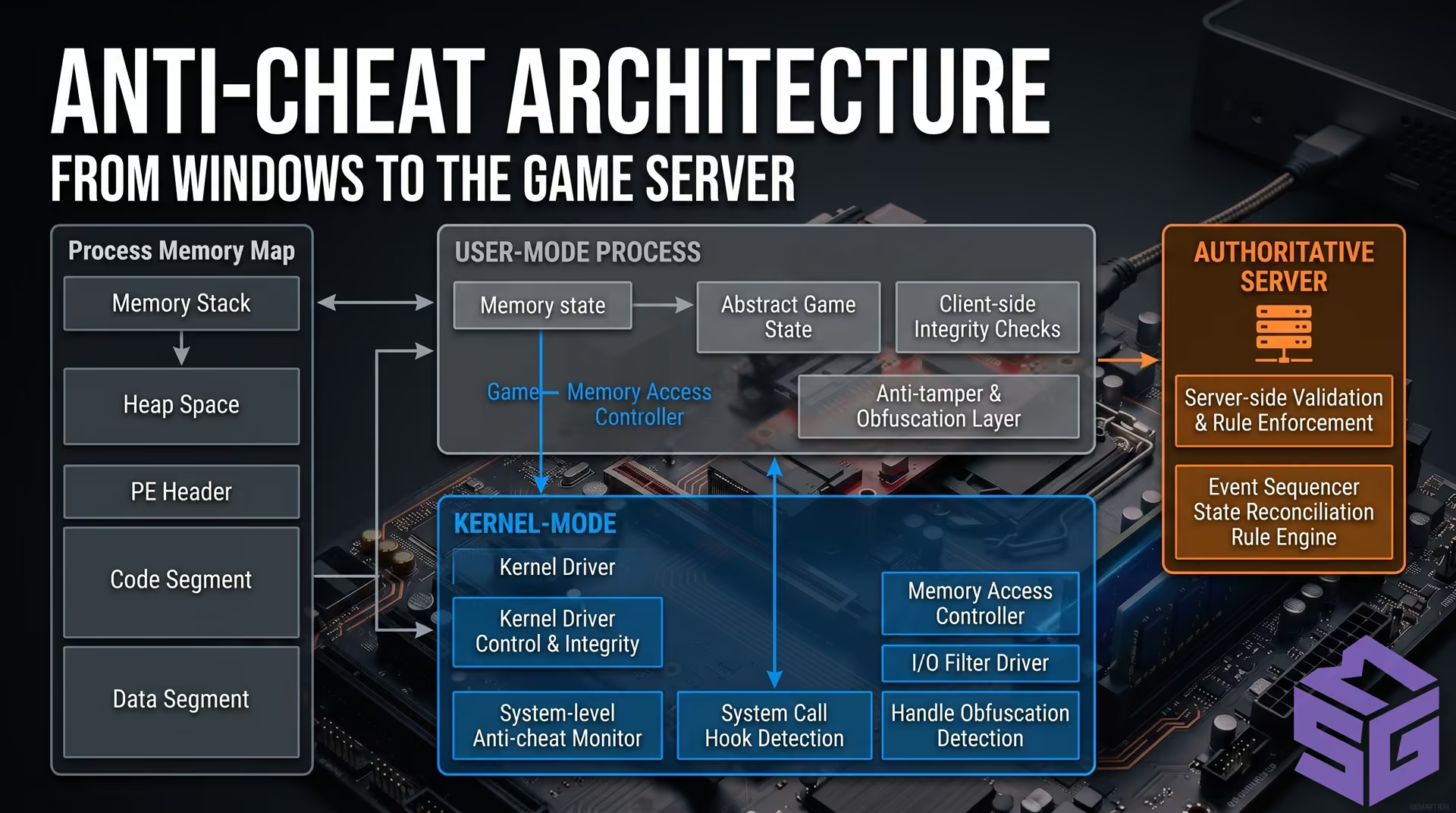
How defense layers are structured: from user-space software to the Windows kernel and game servers
- Quick Verdict: What an Anti-Cheat Does in the Second Before You Shoot
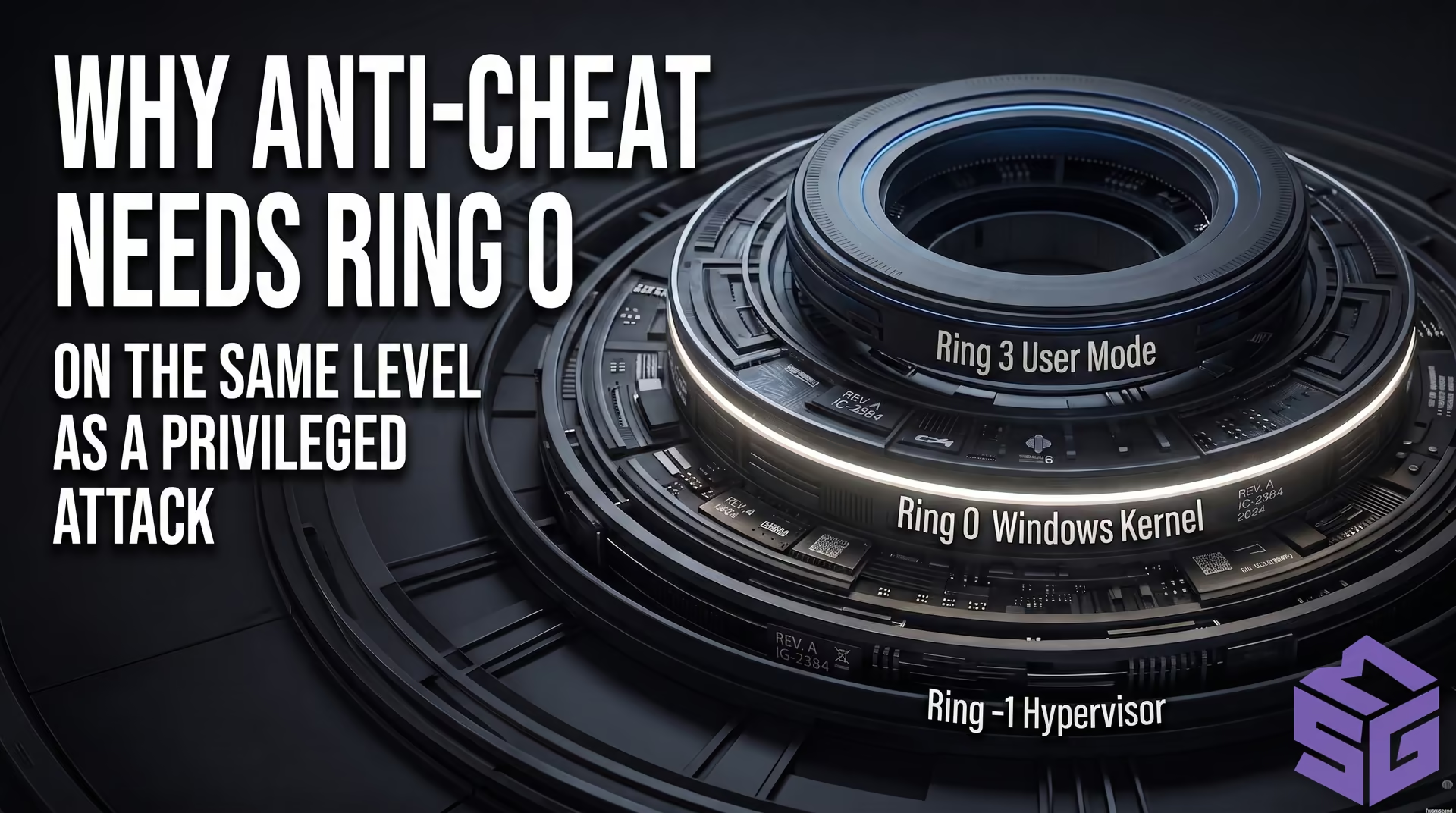
- Access Levels: Why User Mode Isn't Enough and Why Anti-Cheats Need the Kernel (Ring 0)
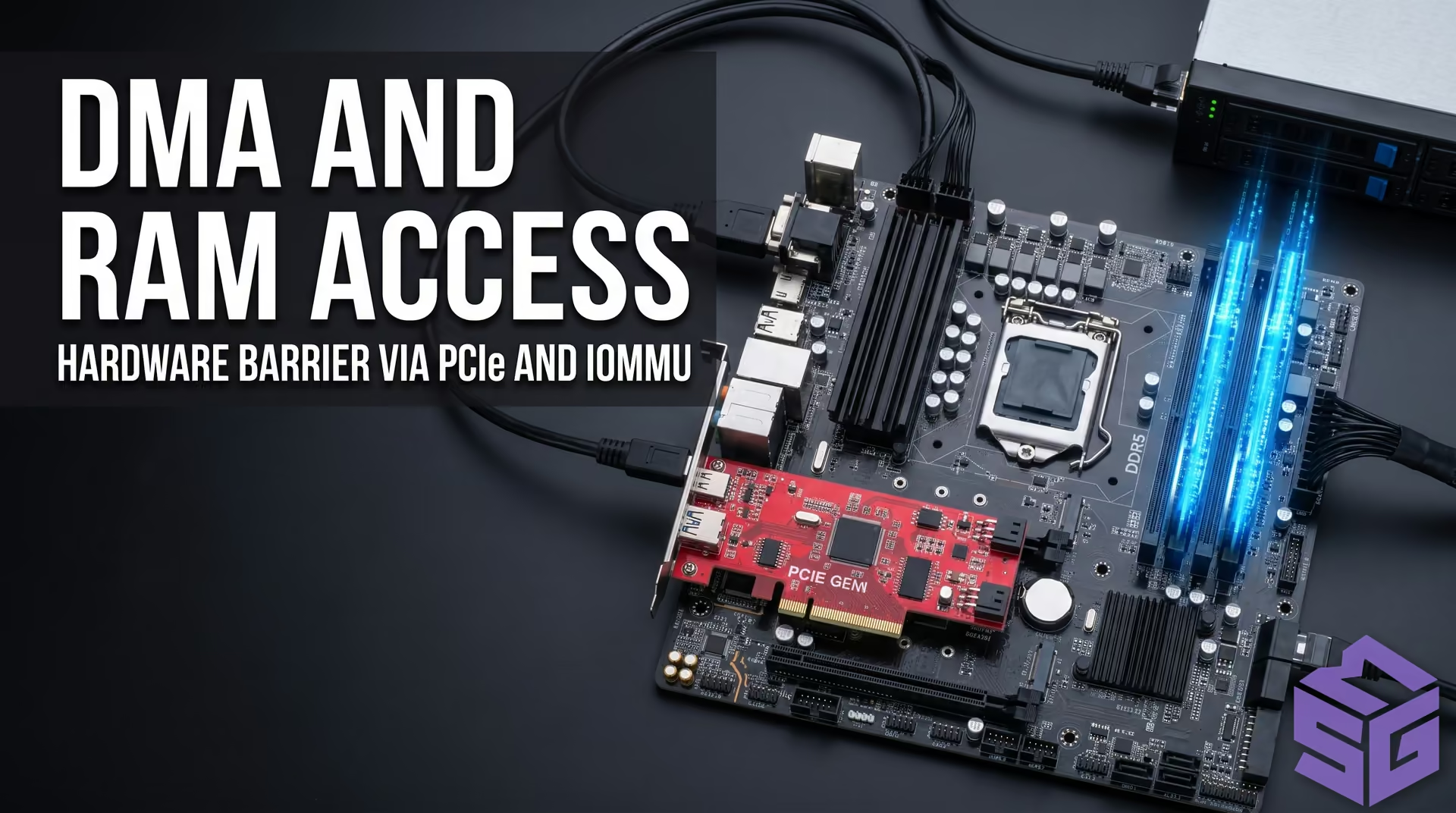
- The Hardware Frontier in 2026: Blocking DMA Cards and Isolating Memory with IOMMU
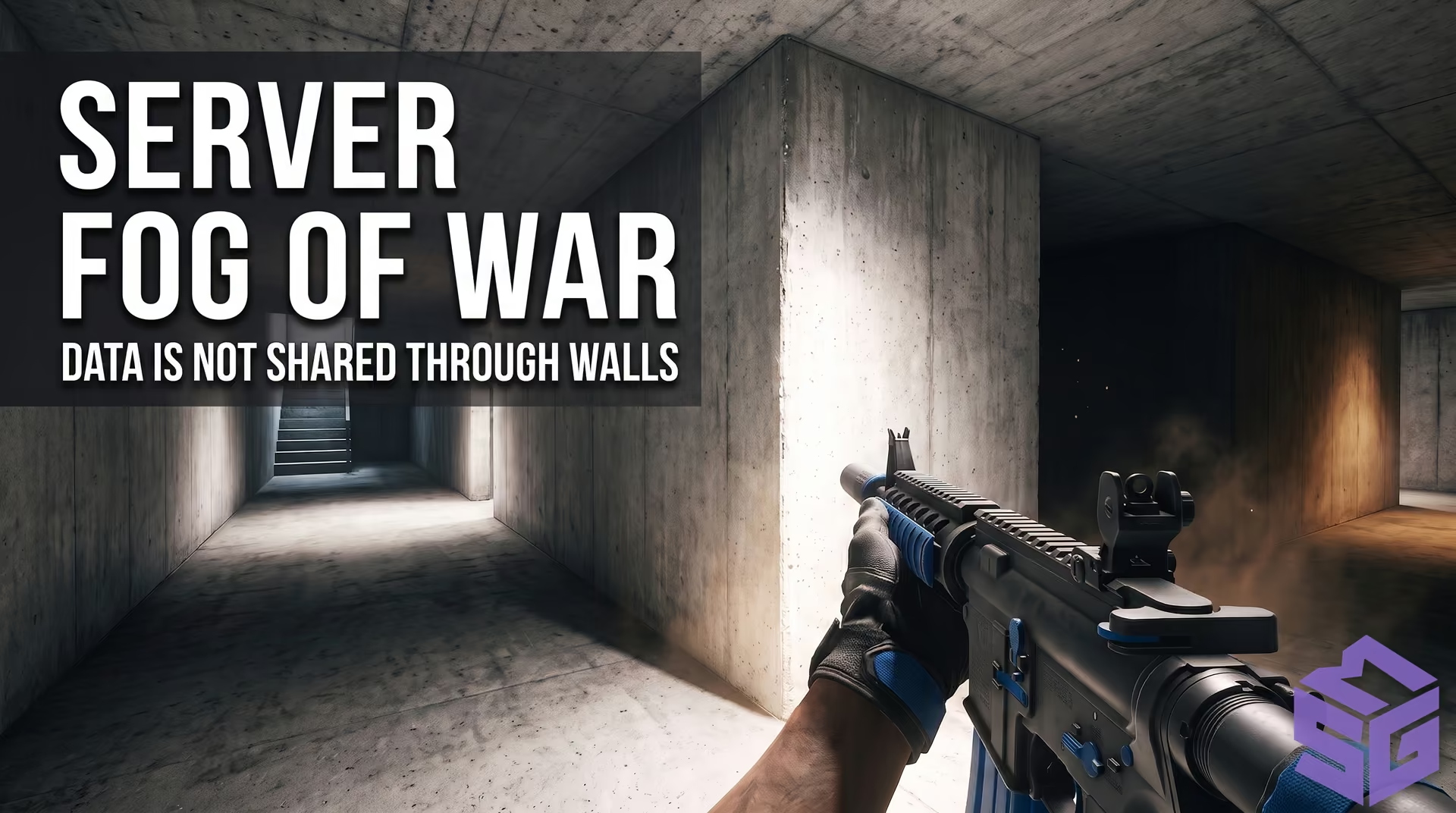
- Server-Side Defense and AI: When Client-Side Code Falls Short
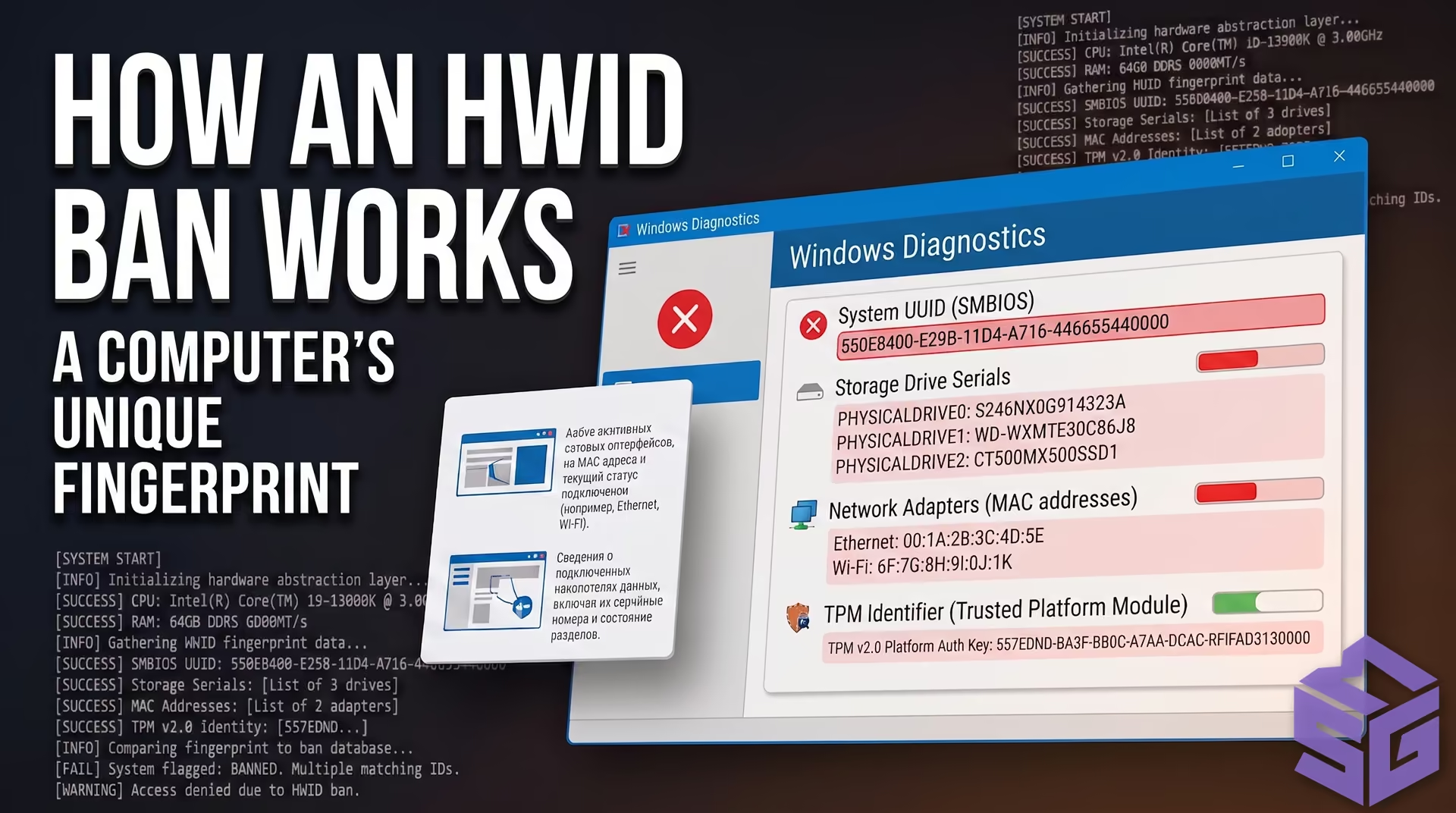
- Penalty Mechanics: Why Bans Aren't Instant and How HWID Bans Work
- Privacy, System Crashes, and FPS Impact: A Technical Risk Audit
- Frequently Asked Questions (FAQ)
- Conclusion: The Evolution of Anti-Cheat Systems
Quick Verdict: What an Anti-Cheat Does in the Second Before You Shoot#
Before every shot you fire, security systems run an ultra-fast verification pipeline: a kernel driver ensures unauthorized programs aren't reading player coordinates in memory, the client module inspects screen overlays, and the game server calculates whether you could physically see the target around a corner.